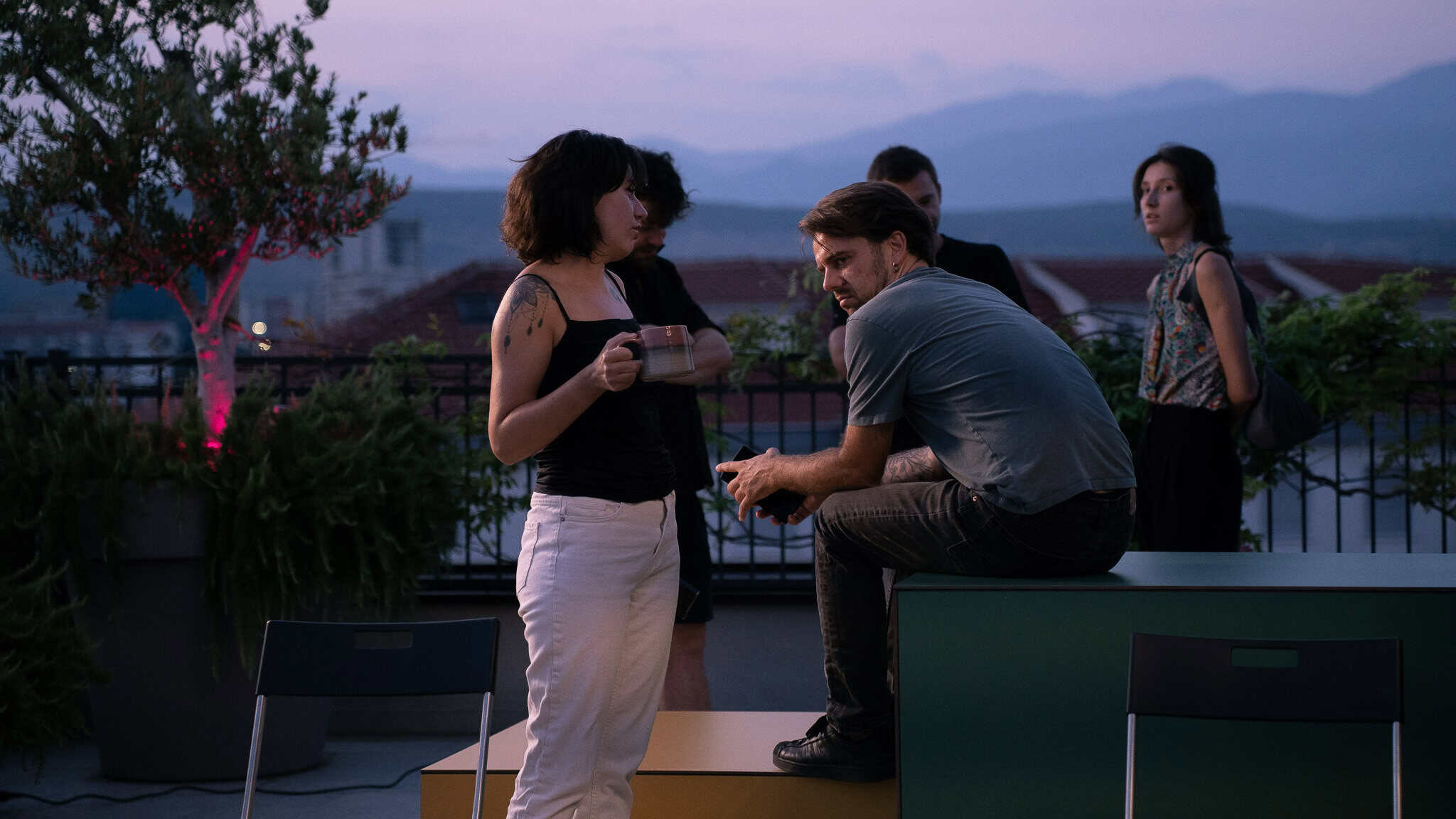
On Wednesday, August 19, at Studio 315 in Podgorica, we organized an event titled “Who Owns the City?”, focusing on the real challenges we face in architectural practice. An open dialogue on the sensitive topic of balancing private investments, architectural vision, and public spaces that belong to all of us was enhanced by our international partners from Slovenia, the team from SUPA studio (Studio for Urban Design and Analysis): Aleksander Vujović (architect), Nina Beganović (urban planner), and Tom Pogačar (landscape architect).
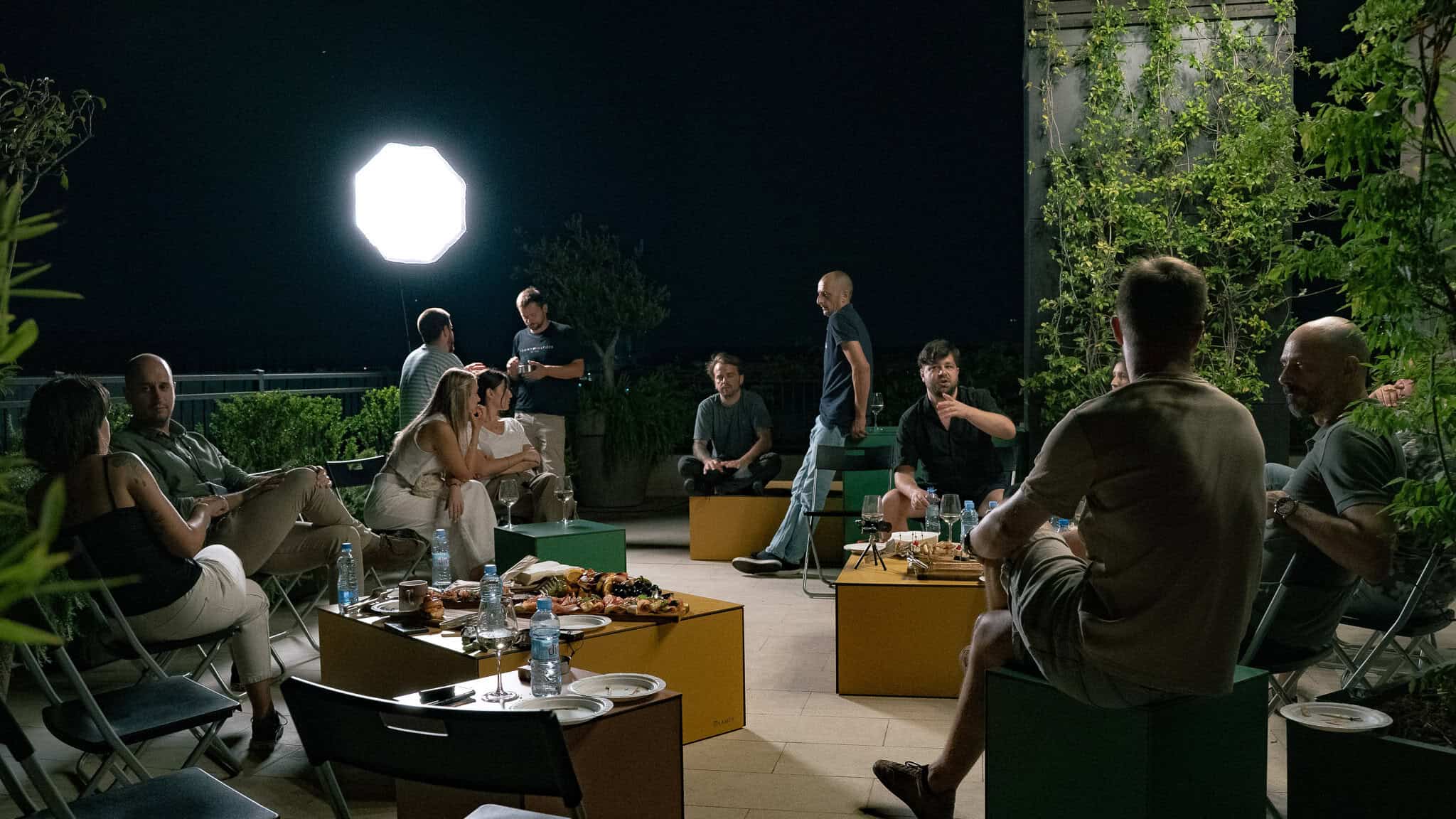
Through dynamic conversation, it became abundantly clear how crucial strong networking among regional practices is for the advancement of the profession. The exchange of knowledge and open discussion about mistakes and successes are not merely momentary inspiration, but a concrete tool we can directly apply in our daily work. This type of collaboration allows us to learn from the experiences of regional colleagues, overcome familiar obstacles more easily, and deliver smarter, more sustainable solutions for the spaces we shape.
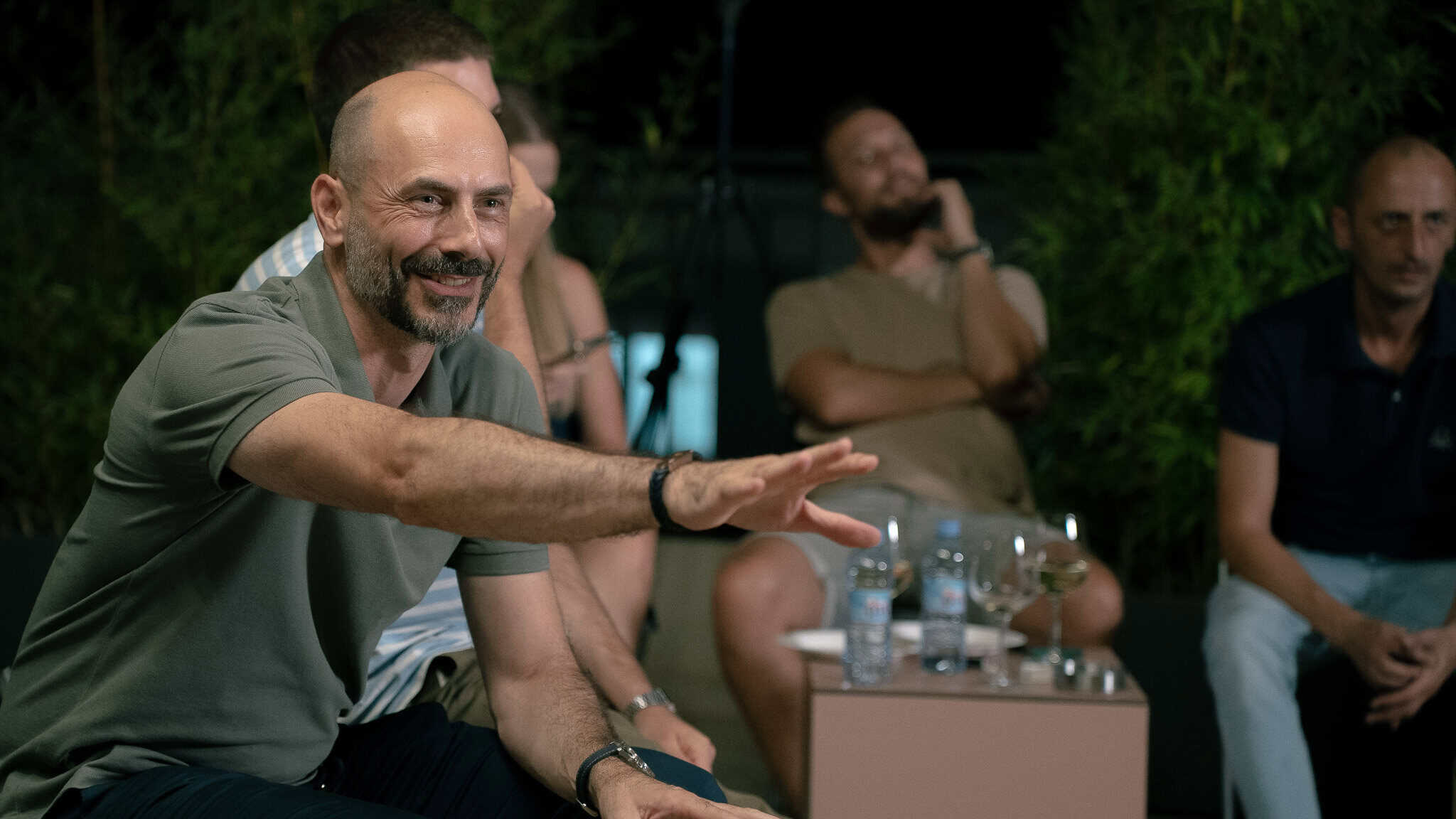
A special part of the discussion addressed the parallels between Montenegro and Slovenia. Aside from the obvious geographical similarities and the specifics of designing in small but topographically diverse environments, the focus was on the development path itself. Slovenia successfully completed the process of harmonizing spatial policies and European integration a long time ago, whereas our country is now in that crucial phase ahead of EU accession. The lessons learned by our colleagues from Ljubljana during their transition—particularly regarding strict regulations and the protection of the public interest—serve as a valuable guide for the challenges that lie ahead of us.
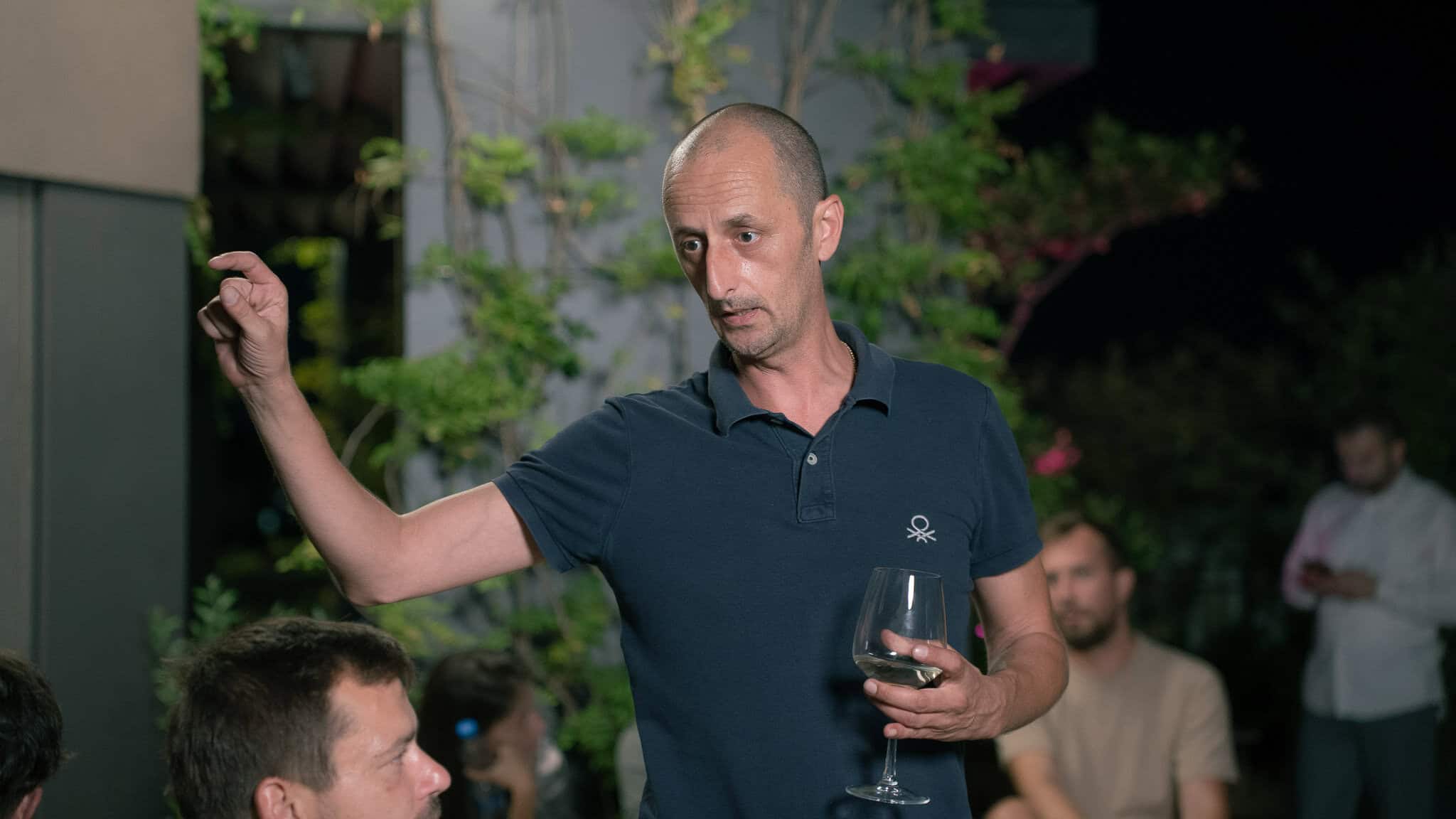
Finally, we reflected on the very roots of the profession. We discussed the fundamental differences in the education of architects, urban planners, and landscape architects, as well as the problem that hinders spatial development: the unequal and hierarchical treatment of these disciplines within the industry itself. The conclusion was unanimous—we cannot create a high-quality city unless we begin to equally value and closely integrate all three professions from the very start of planning, rather than treating them as separate and subsequent processes.